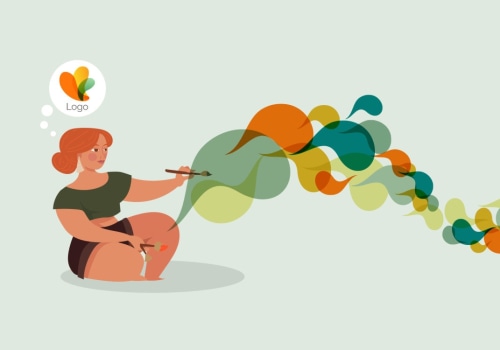
Digital graphic design often finds its most compelling ideas in the natural world, and golf course environments provide a particularly rich source of inspiration. With their rolling greens, carefully sculpted bunkers, and expansive skies, golf courses offer a harmonious blend of structure and organic beauty. Designers frequently draw from these elements to create visuals that feel balanced, clean, and visually engaging. The contrast between manicured fairways and rugged surrounding terrain introduces a dynamic interplay of textures and shapes, which can be translated into modern design concepts for websites, branding, and digital media.
Color Palettes Rooted in Nature
One of the most influential aspects of golf course environments is their distinct color palette. Lush greens, sandy neutrals, deep blues, and earthy browns naturally inspire designers to craft palettes that evoke calmness and sophistication. These tones are often used in digital graphics to communicate freshness, stability, and elegance. Gradients inspired by sunrise or sunset over a course can add depth and warmth to designs, while subtle contrasts help guide visual hierarchy. In projects influenced by places like Redlands Mesa Golf Course, designers can capture the essence of scenic beauty and translate it into cohesive, visually appealing compositions that resonate with audiences seeking both luxury and tranquility.
Layout and Spatial Balance
Golf courses are meticulously planned to balance open space with strategic elements, and this principle carries over seamlessly into digital design. Clean layouts with ample white space mirror the expansive feel of a fairway, allowing content to breathe and improving readability. Designers often use grid systems that reflect the organized yet natural flow of a course, ensuring that elements are positioned with intention and clarity. This approach not only enhances usability but also creates a sense of calm and order, making the user experience more intuitive and enjoyable.
Texture and Visual Depth
Another key influence from golf course environments is the use of texture and depth. The visual contrast between smooth greens, rough terrain, and sand traps can inspire layered designs that incorporate subtle patterns and gradients. Digital designers may use these concepts to add dimension without overwhelming the viewer, creating visuals that feel rich yet refined. Techniques such as soft shadows, overlays, and depth effects can mimic the natural variations found on a course, resulting in designs that feel both modern and grounded in nature.
Branding and Storytelling Elements
Golf course-inspired design also lends itself well to storytelling and branding. The sense of leisure, prestige, and connection to nature associated with golf environments can be woven into brand identities that aim to convey sophistication and lifestyle appeal. Logos, typography, and imagery can all reflect these qualities, using clean lines, elegant fonts, and nature-inspired motifs. This approach is particularly effective for brands in hospitality, real estate, and wellness industries, where the goal is to evoke a sense of escape and refinement.
Creating a Harmonious Digital Experience
Ultimately, digital graphic design concepts influenced by golf course environments emphasize harmony, balance, and understated elegance. By incorporating natural color schemes, thoughtful layouts, and subtle textures, designers can create visuals that are both aesthetically pleasing and highly functional. This fusion of nature and design not only enhances visual appeal but also fosters a deeper emotional connection with the audience. Drawing from the timeless beauty of golf courses, designers can craft digital experiences that feel immersive, calming, and effortlessly sophisticated.